
Rosemary oil for hair growth: what the evidence actually says
Rosemary oil is the most searched botanical for thinning hair. Here is what the research shows, how it is thought to work, how to use it on the scalp and what to realistically expect.
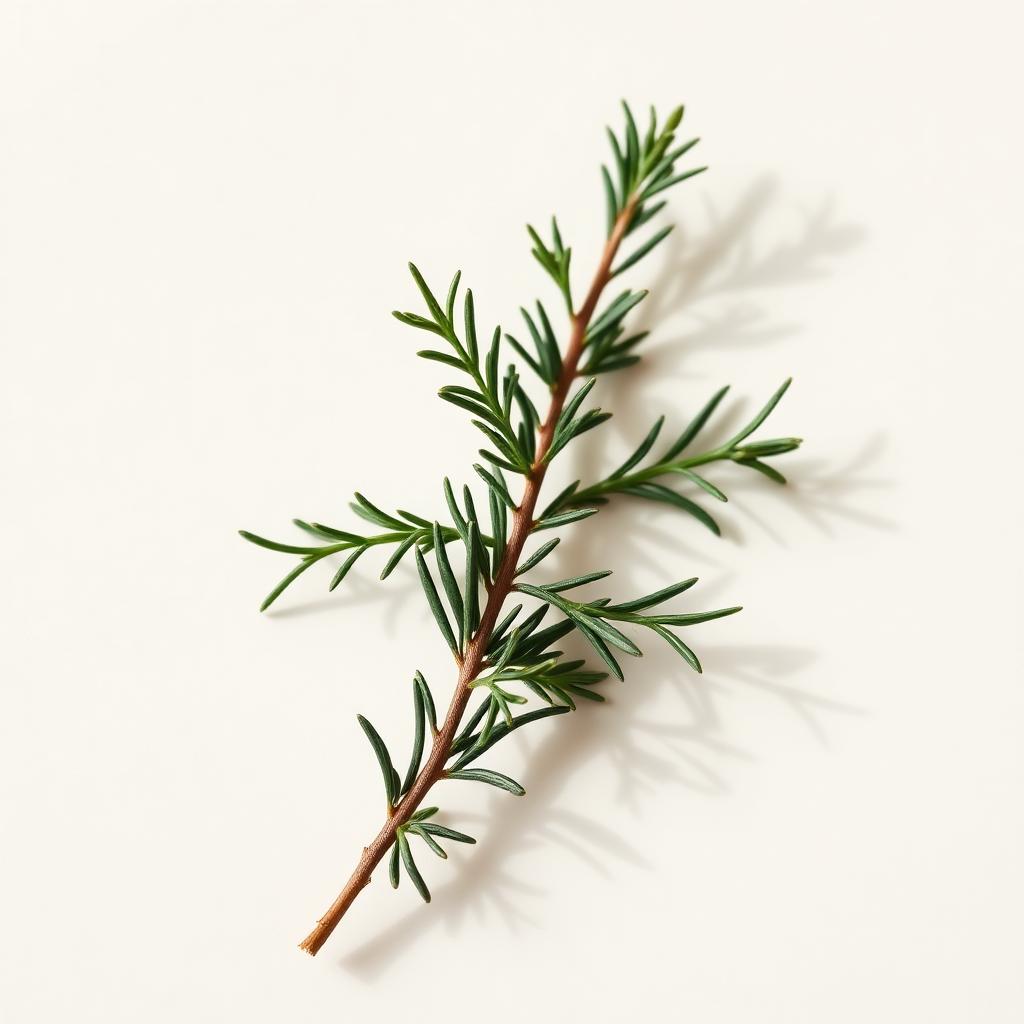
The short answer
Rosemary oil (Rosmarinus officinalis) may support hair growth by improving scalp microcirculation and providing antioxidant compounds such as carnosic acid. A frequently cited 2015 randomised trial found rosemary oil performed comparably to 2% minoxidil for androgenetic alopecia after six months, with less scalp itching. Evidence is promising but limited to small studies; results require consistent use for at least three to six months.
Key takeaways
- +The strongest human data is one 2015 six-month comparative trial — encouraging, not conclusive.
- +Carnosic acid and 1,8-cineole are the compounds most associated with its scalp effects.
- +Always dilute: rosemary essential oil belongs in a carrier oil, never neat on skin.
- +Visible change is measured in months. Judge it at day 90, not day 14.
What rosemary oil is
Rosemary oil is the volatile essential oil steam-distilled from the leaves of Rosmarinus officinalis, a Mediterranean shrub of the mint family. Its aroma comes from 1,8-cineole, camphor and alpha-pinene; its antioxidant reputation comes largely from carnosic acid and rosmarinic acid found in the leaf.
For scalp use it is almost always blended into a carrier. In Ghori Rosemary Oil it sits alongside biotin, peppermint oil, vitamin E, aloe vera, castor seed oil and coconut oil, so the essential oil is delivered at a skin-appropriate dilution.
What the research shows
The study most people refer to is a 2015 randomised comparative trial published in SKINmed, in which 100 adults with androgenetic alopecia used either rosemary oil or 2% minoxidil for six months. Both groups showed a significant increase in hair count at month six, with no significant difference between them — and the rosemary group reported less scalp itching.
That is a meaningful result, but it is one trial of modest size. Animal and cell studies add supporting evidence that rosemary leaf extract may inhibit 5-alpha-reductase activity and improve local blood flow. Honest summary: rosemary is one of the better-supported botanicals for thinning hair, and the evidence base is still growing.
How it is thought to work
Microcirculation. Topical rosemary is associated with a mild vasodilating, warming effect that may improve nutrient delivery to the follicle.
Antioxidant protection. Carnosic acid helps neutralise oxidative stress at the scalp, a factor linked to follicle ageing.
Androgen environment. Laboratory work suggests rosemary extract can reduce the activity of the enzyme that converts testosterone to DHT, the hormone most linked to pattern hair loss.
How to use rosemary oil on the scalp
Apply a few drops of a ready-diluted rosemary blend directly to the scalp, section by section, focusing on the hairline, temples and crown.
Massage for two to three minutes with the fingertips. Leave on for at least an hour, or overnight, then wash with a gentle, sulfate-free shampoo such as Neo Hair Shampoo.
Use two to three times per week. Consistency over months matters more than the amount per application.
Safety and who should be careful
Never apply undiluted rosemary essential oil to skin. Patch-test a small area behind the ear 24 hours before first use. Avoid contact with the eyes. People who are pregnant, breastfeeding, have epilepsy, or have a sensitive or broken scalp should speak with a clinician first. Rosemary is not a substitute for medical diagnosis of sudden or patchy hair loss.
Frequently asked questions
Does rosemary oil really regrow hair?
Rosemary oil may support regrowth in androgenetic alopecia. A 2015 six-month trial found results comparable to 2% minoxidil. It is not guaranteed to work for everyone, and evidence is based on a small number of studies.
How long does rosemary oil take to work for hair?
Most people need three to six months of consistent use before visible change, because hair follicles move through growth cycles over months.
Can I leave rosemary oil in my hair overnight?
Yes, a properly diluted rosemary blend can be left on overnight. Wash out the next morning with a gentle shampoo.
Is rosemary oil better than minoxidil?
One trial showed similar hair-count results after six months, with less itching for rosemary. Minoxidil has a much larger evidence base. Speak with a dermatologist to choose what suits you.
Where this appears in Green Wealth products
- View product →Ghori Rosemary Oil · 60 ml
Rosemary essential oil pre-diluted in a carrier with biotin, peppermint, vitamin E, aloe vera, castor and coconut oil — ready for scalp massage without DIY dilution.
- View product →Neo Hair Shampoo · 250 ml
Includes rosemary in a sulfate-free wash, adding a gentle rosemary step to every cleanse.
This article is for education only and is not medical advice. Consult a qualified clinician for diagnosis or treatment of hair loss.