Neo Hair Shampoo: why a sulfate-free cleanse changes what your scalp can do
Sulfates are efficient — and that is the problem. A close look at what Neo Hair Shampoo removes, what it leaves behind, and why the difference matters over a season.
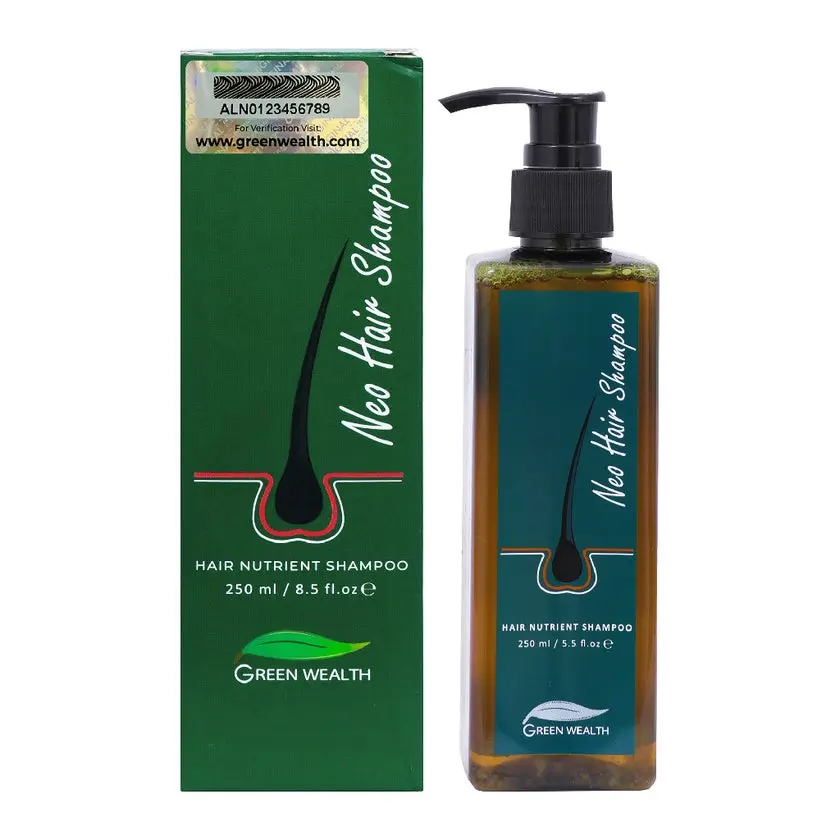
A shampoo is not, strictly, a hair product. It is a scalp product with a hair-adjacent side effect. Neo Hair Shampoo is designed around that idea: cleanse the scalp environment without stripping the lipid bilayer that keeps the follicle stable.
The sulfate problem
Sodium lauryl sulfate and its close relatives are anionic surfactants powerful enough to emulsify motor grease. Applied to a scalp twice a week for years, they do exactly what the label implies: they solubilise sebum, but they also solubilise the ceramides and free fatty acids that make up the scalp's protective film. The follicle responds by over-producing sebum to compensate, which is then re-stripped on the next wash. The loop is efficient, uncomfortable, and slow to break.
What Neo Hair Shampoo uses instead
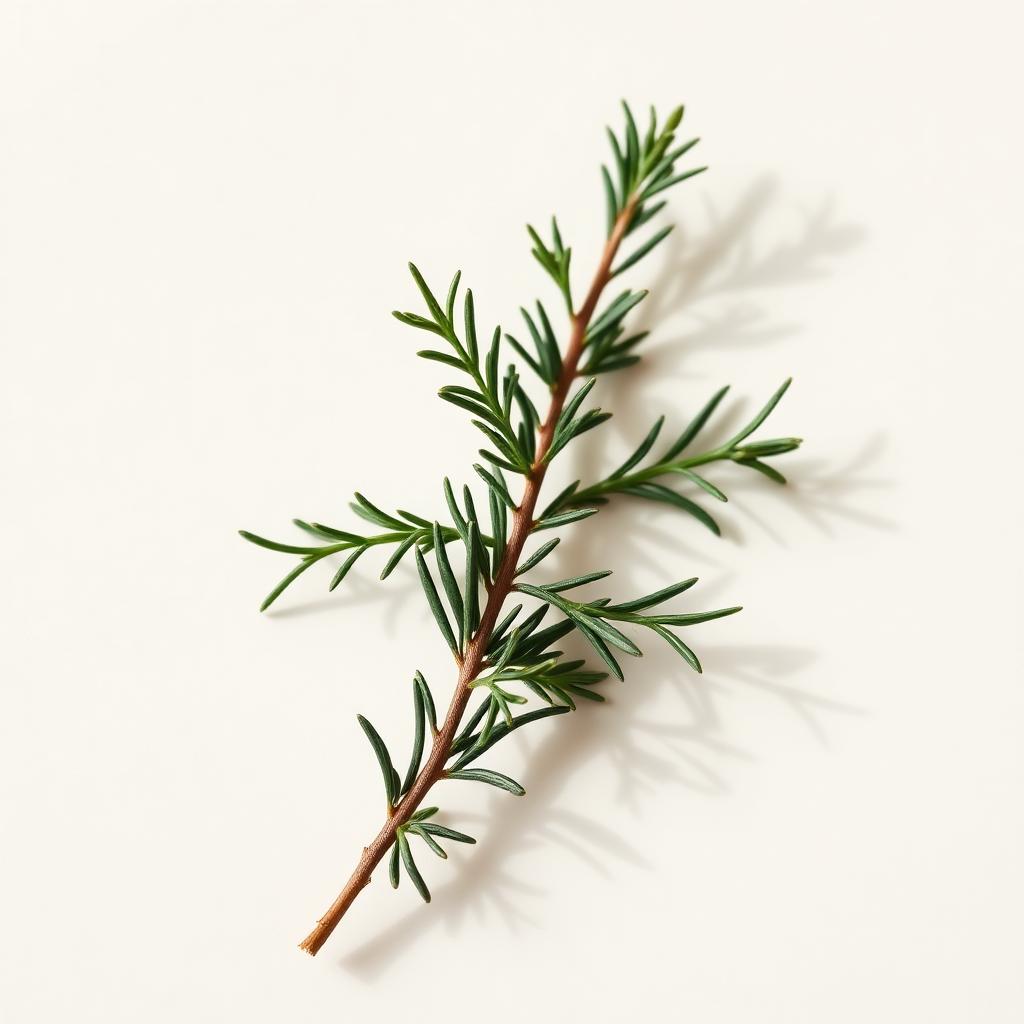
The cleansing base is built from mild amino-acid-derived and coconut-derived surfactants that lift particulate soil without demolishing the barrier. The active layer is botanical: rosemary and biotin to support circulation and keratin cross-linking, panthenol to hold water in the shaft, and a low-percentage tea tree fraction to keep the scalp environment inhospitable to the yeasts implicated in low-grade seborrheic irritation.
Why this matters for anyone using Neo Hair Lotion
The lotion works because it can reach living tissue. A stripped, inflamed scalp responds to any topical the way an over-washed hand responds to lotion — by rejecting it. Switching cleansers is not a cosmetic decision; it is the pre-condition that makes the rest of the protocol effective.
How to wash for a growth protocol
Two to three times per week is the ceiling for most scalps on the protocol; more frequent washing works against the lotion. Use warm — never hot — water. Emulsify a coin-sized dose in your palms first, then apply to the scalp only and let the lather run down the lengths on its own. Rinse for twice as long as feels necessary; residue is the second most common cause of scalp irritation after over-washing.
What to expect in the first month
Hair often feels less slick and more textured for the first two or three washes. This is the scalp recalibrating sebum production. By wash five or six, most users report a cleaner feeling that lasts a full day longer than their previous shampoo delivered.
Where this appears in Green Wealth products
- View product →Neo Hair Shampoo · 250 ml
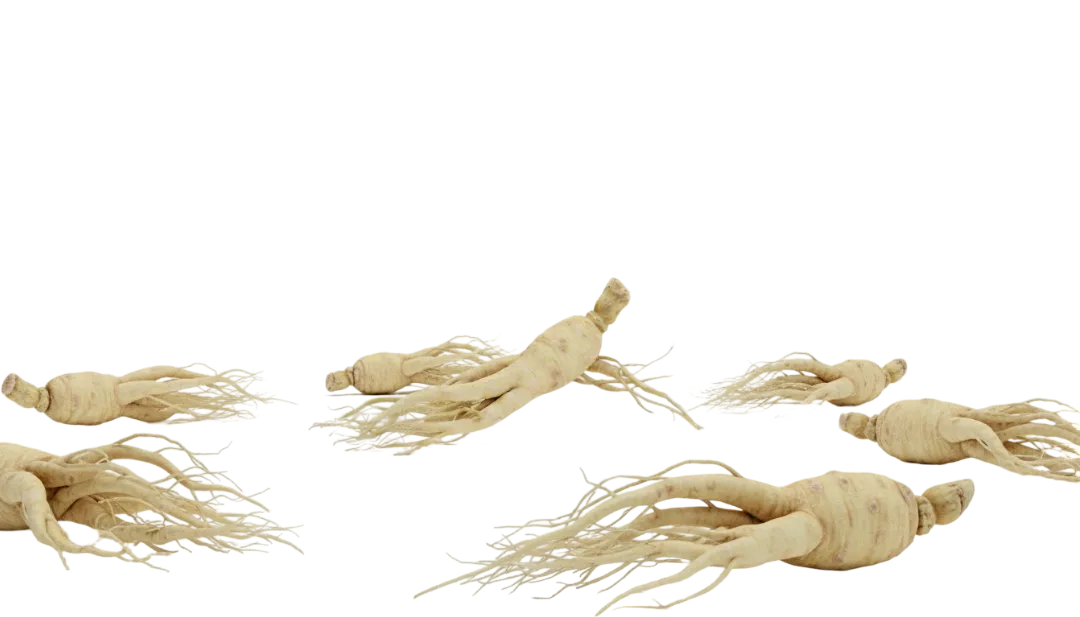
A sulfate-free cleanser that includes saw palmetto, white ginseng, rosemary and cantaloupe, so the scalp is cleansed without stripping before leave-on care.
- View product →Neo Hair Lotion
Follows the shampoo as the leave-on step on a clean, un-stripped scalp.
This article is for education only and is not medical advice. Consult a qualified clinician for diagnosis or treatment of hair loss.