Scalp hydration
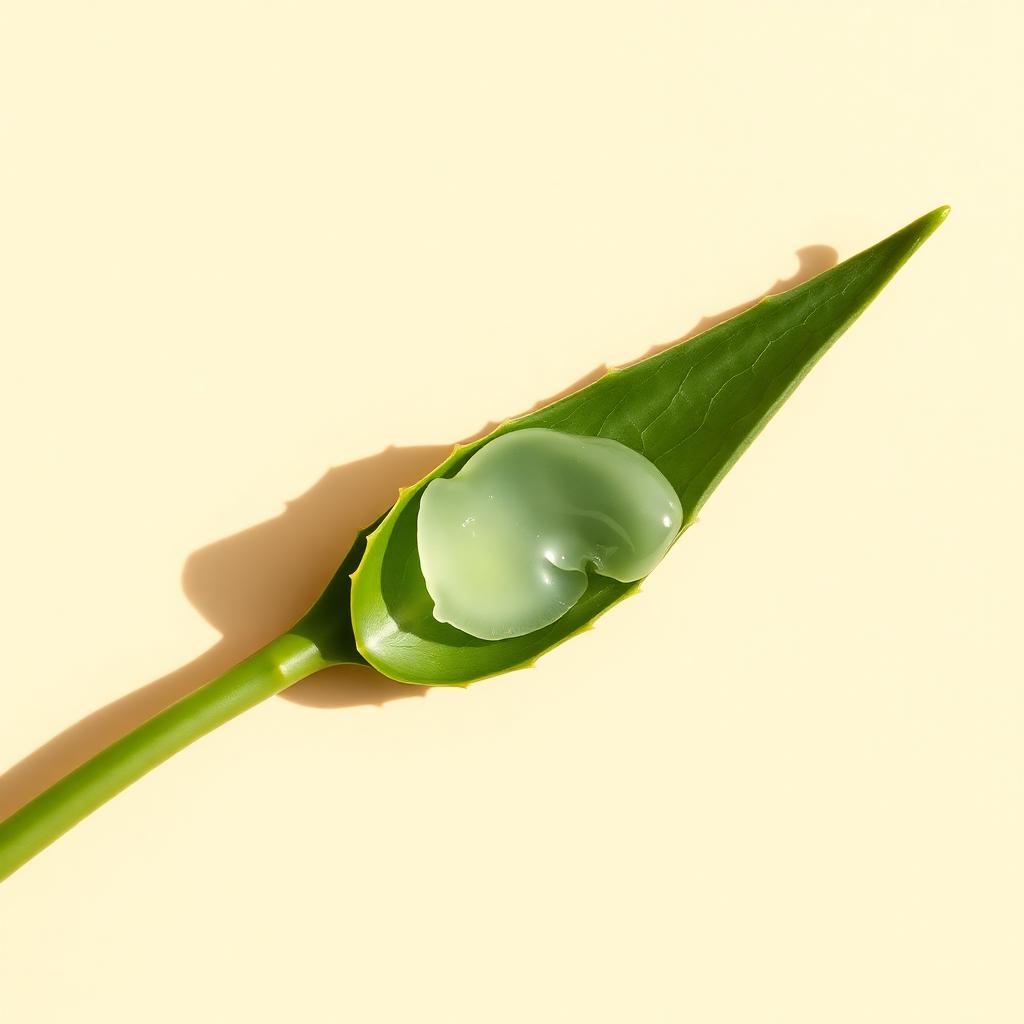
Aloe Vera
Ultra-hydrating gel-extract that soothes irritation, calms redness and restores the scalp's moisture barrier without weight.
- Latin
- Aloe Barbadensis Leaf Extract
- Origin
- Aloe barbadensis inner-leaf gel
- Process
- Cold-pressed, filtered extract
- Dose
- In-formula
- Family
- Asphodelaceae
- Part used
- Inner-leaf gel, purified and decolourised
- — Acemannan polysaccharides
- — Glucomannans
- — Amino acids
- — Plant sterols
About
Delivers deep, non-greasy hydration to the scalp while soothing inflammation that can slow growth.
What it does
- Deeply hydrates the scalp
- Calms itch and redness
- Reinforces the moisture barrier
- Delivers actives more efficiently
How it works
Acemannan-rich polysaccharides bind water at the scalp surface and help reduce moisture loss.
Plant sterols and natural sugars support a calmer, more comfortable scalp barrier.
Amino acids and polysaccharides add slip without the weight of a heavy occlusive oil.
Topical aloe is supported primarily for hydration and skin-soothing effects; evidence for direct hair regrowth remains limited.
History & heritage
Aloe vera has been documented in skin and scalp care for more than 3,500 years. The Ebers Papyrus of ancient Egypt described aloe preparations, while Greek, Roman, Ayurvedic and Unani traditions used the fresh inner-leaf gel for heat, dryness and irritated skin. Modern cosmetic processing removes the yellow latex layer and purifies the clear gel so its water-binding polysaccharides can be used without the irritating anthraquinones found in whole-leaf sap.
Traditional uses through history
- 01Cooling gel for sun-exposed or irritated skin
- 02Ayurvedic scalp pack for heat, dryness and flaking
- 03Unani preparation for soothing the skin barrier
- 04Fresh-leaf hair mask used to improve softness and manageability
Aloe's best-supported topical role is moisturising and soothing rather than directly stimulating hair growth. Its acemannan-rich polysaccharide fraction forms a flexible, water-binding film and supports the appearance of barrier recovery. Laboratory and clinical skin research also describes anti-inflammatory and wound-supporting activity, but evidence for treating alopecia remains limited; in this formula aloe is used to improve scalp comfort and condition the application environment.
How it actually works
Binds water at the scalp
Acemannan and glucomannans form a light hydrophilic film that slows moisture loss without leaving a heavy oily layer.
Supports barrier comfort
Polysaccharides and plant sterols help calm the look of redness and support recovery from dryness or repeated cleansing.
Conditions the surface
Amino acids and natural sugars improve slip, helping reduce friction between strands and making the scalp treatment easier to distribute.
Best for
Purified, decolourised inner-leaf aloe is generally well tolerated topically. Patch test before first use, avoid broken skin, and discontinue if irritation occurs. This cosmetic use should not be confused with ingesting aloe latex.
- — Vitamin E
- — Coconut Oil
- — Rosemary Leaf Oil