Chelating Agent
Disodium EDTA
A trace-level chelator that binds hard-water minerals so the surfactants foam properly and the botanicals stay stable.
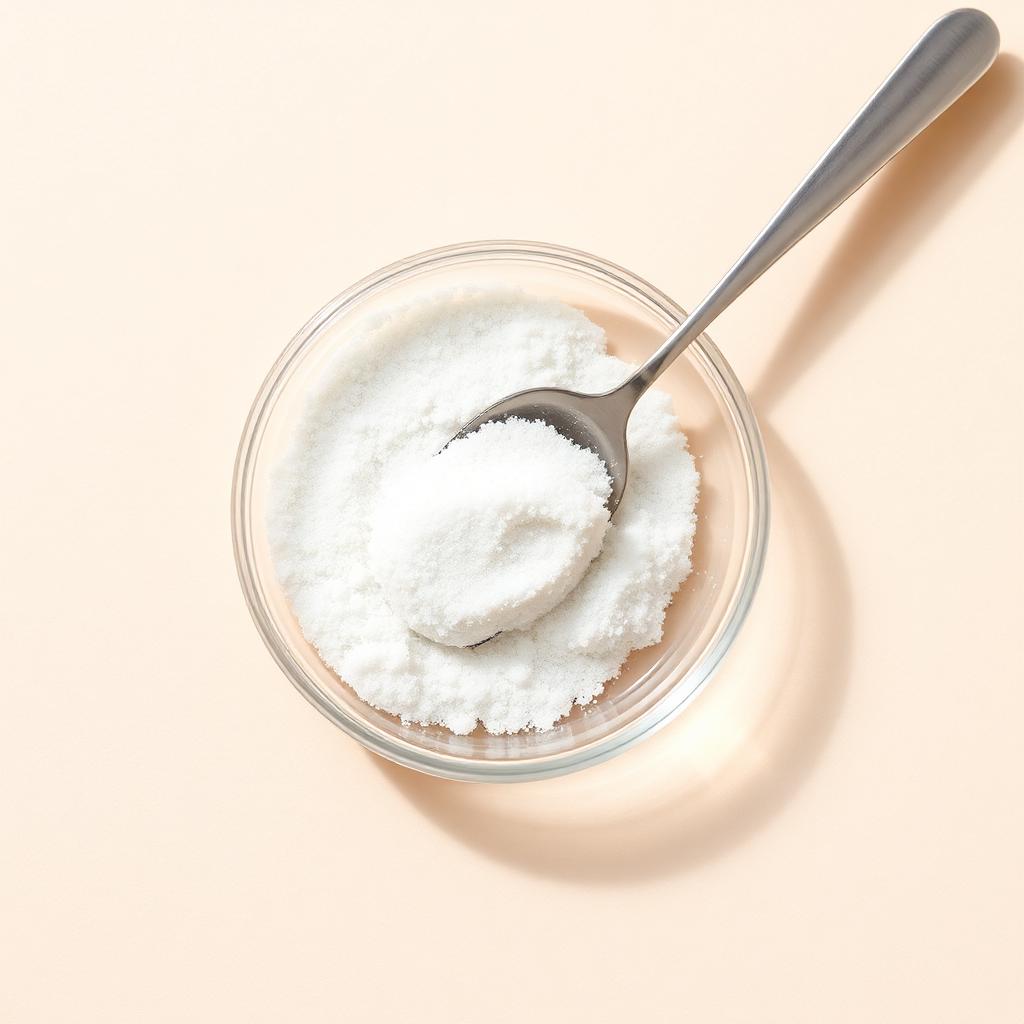
- Origin
- Cosmetic-grade chelator
- Process
- Cold-blended into base
- Dose
- Every wash
- Family
- Aminopolycarboxylic acid salts
- Part used
- Cosmetic-grade sodium salt
- — Ethylenediaminetetraacetic acid disodium salt
About
Prevents metal ions in tap water from dulling hair colour, reducing foam or degrading actives — used at the minimum effective level (0.10%).
What it does
- Binds calcium, magnesium and iron ions
- Keeps foam consistent in hard water
- Protects botanical actives from oxidation
History & heritage
Synthesised in Germany in 1935 by Ferdinand Münz, EDTA revolutionised industrial chemistry, water treatment and medicine (chelation therapy for heavy-metal poisoning). It entered cosmetic formulation in the 1950s as manufacturers realised that trace metal ions in tap water and raw materials were the hidden cause of rancid oils, discoloured lotions and unstable formulas.
Traditional uses through history
- 01Industrial water softening
- 02Medical chelation therapy
- 03Universal cosmetic stabiliser since the 1950s
Used at trace levels (0.05–0.20%) in almost every water-based cosmetic. Binds free calcium, magnesium and iron ions that would otherwise interfere with surfactants, catalyse oxidation of botanicals, or leave a dulling film on hair after washing in hard water.
How it actually works
Sequesters metal ions
Forms a stable ring-shaped complex around calcium, magnesium and iron ions, deactivating them chemically.
Boosts foam in hard water
Prevents mineral ions from combining with surfactants to form the insoluble 'soap scum' that kills lather.
Protects botanical actives
Removes the metal catalysts that would otherwise oxidise sensitive plant extracts.
Best for
Safe at typical cosmetic use levels (up to 0.20%). Extensively studied and approved by the CIR expert panel.