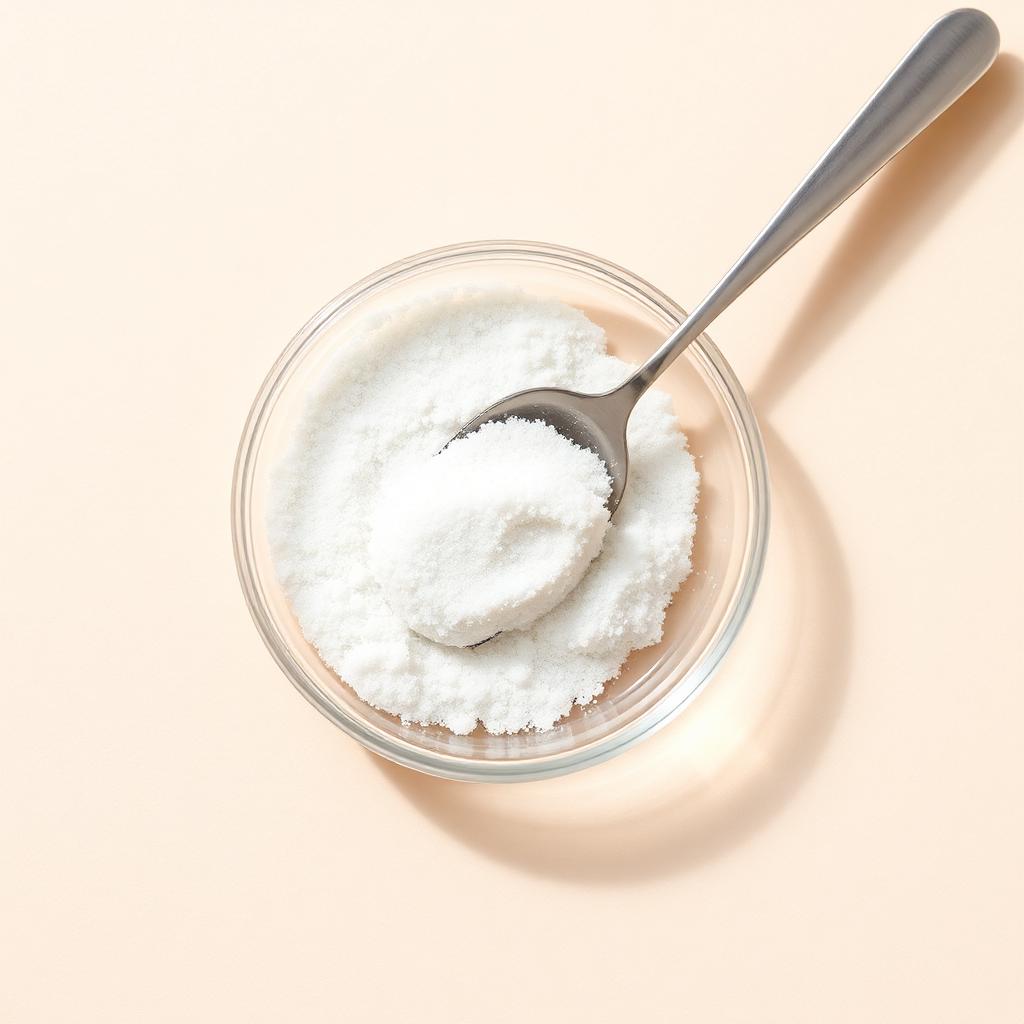
Conditioning Thickener
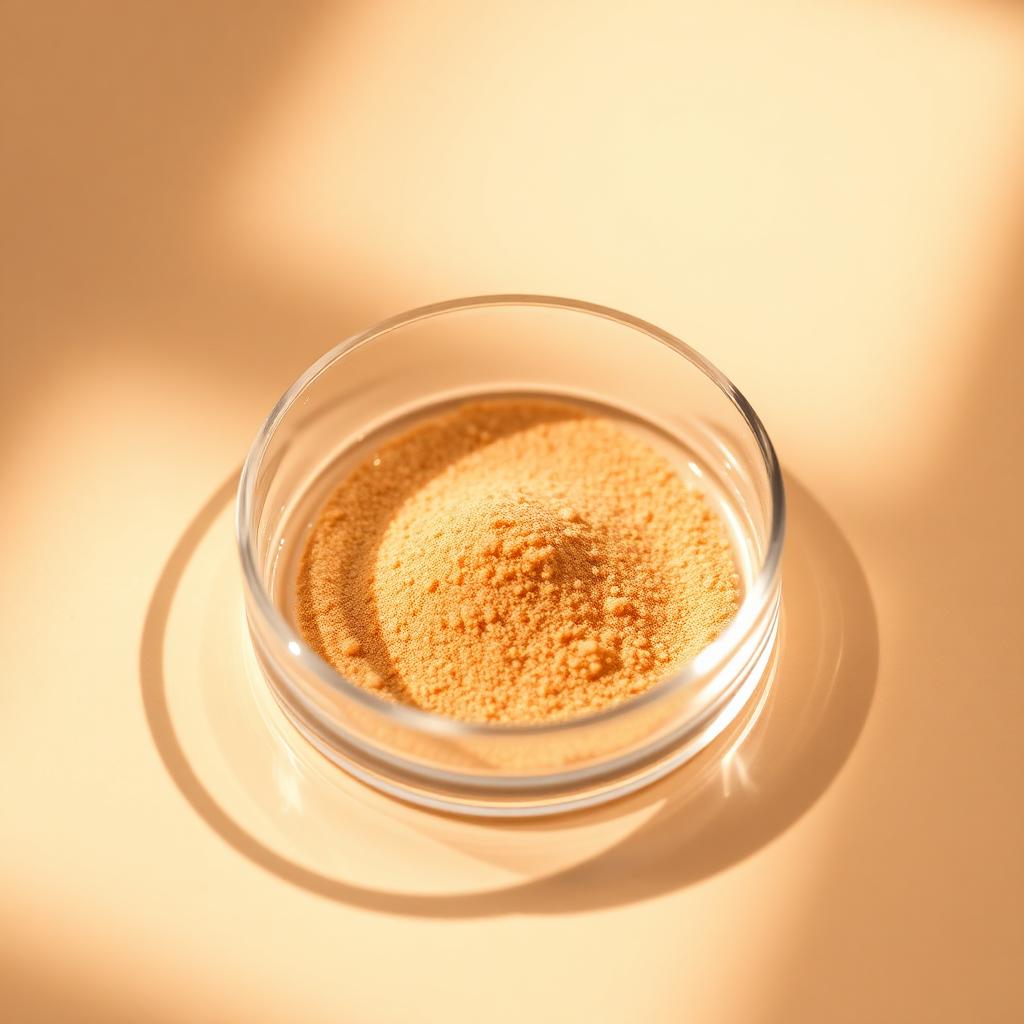
PEG-120 Methyl Glucose Dioleate
A glucose-derived thickener that gives the shampoo its silky slip, distributes actives evenly across the scalp and leaves hair easy to comb.
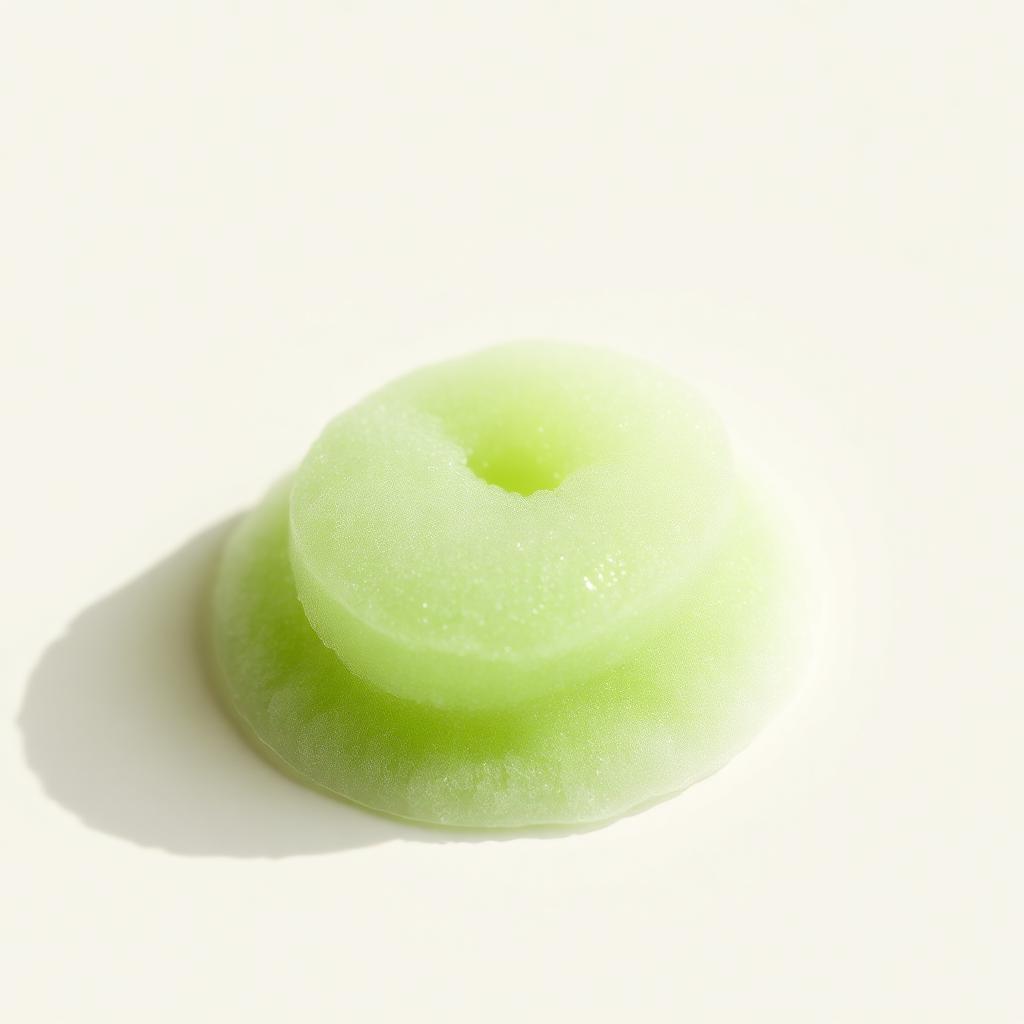
- Origin
- Corn glucose + plant oleic acid
- Process
- Cold-blended into base
- Dose
- Every wash
- Family
- Glucose-derived non-ionic surfactants
- Part used
- Corn glucose + plant-derived oleic acid
- — PEG-120 methyl glucose dioleate ester
About
Non-ionic and mild — adds body to the formula, boosts foam stability and deposits a light conditioning film on the cuticle for tangle-free rinse-out.
What it does
- Thickens and stabilises the shampoo
- Improves wet combing
- Prevents tangling as you rinse
History & heritage
Introduced to cosmetic chemistry in the late 1980s as a naturally derived alternative to synthetic thickeners like carbomers. Its glucose backbone comes from corn, and the oleic acid from vegetable oils. It became one of the most trusted 'quiet' ingredients in premium salon shampoos — you never see it advertised, but it's why a shampoo feels expensive between the fingers.
Traditional uses through history
- 01Standard body-builder in salon-grade shampoos
- 02Detangling agent in 2-in-1 cleansing conditioners
- 03Foam stabiliser in luxury body washes
Functions as a non-ionic thickener and viscosity modifier that also deposits a thin conditioning film on the cuticle. Improves wet combability by up to 40% in standardised laboratory testing compared to unthickened surfactant systems.
How it actually works
Adds silky viscosity
The long PEG chain creates a molecular network that thickens the water phase without any harsh gelling agents.
Stabilises foam
Slows the collapse of bubbles so the shampoo stays creamy through the entire wash.
Conditions the cuticle
The oleic acid ends deposit a nano-thin film that reduces tangling and static as you rinse.
Best for
Non-irritating, non-comedogenic. Safe for the eye area and long-term daily use.