Preservative
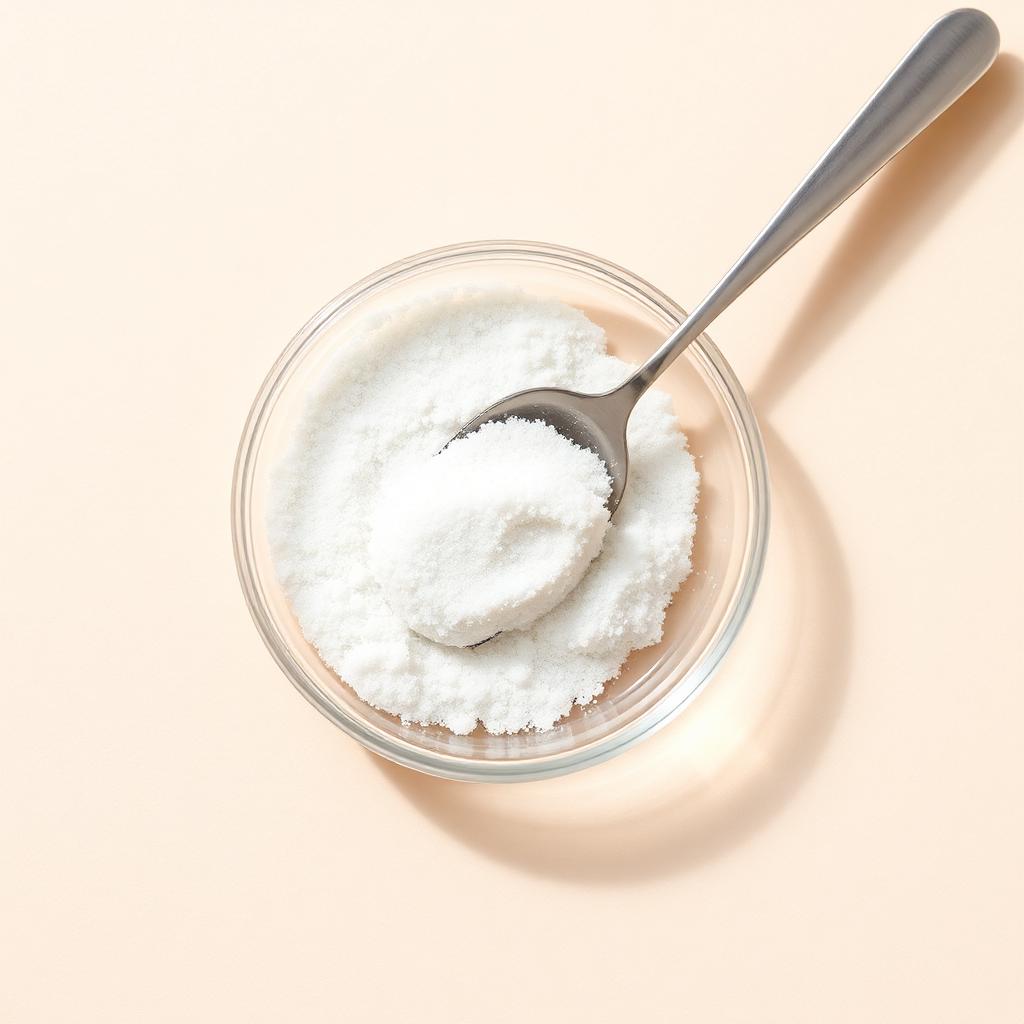
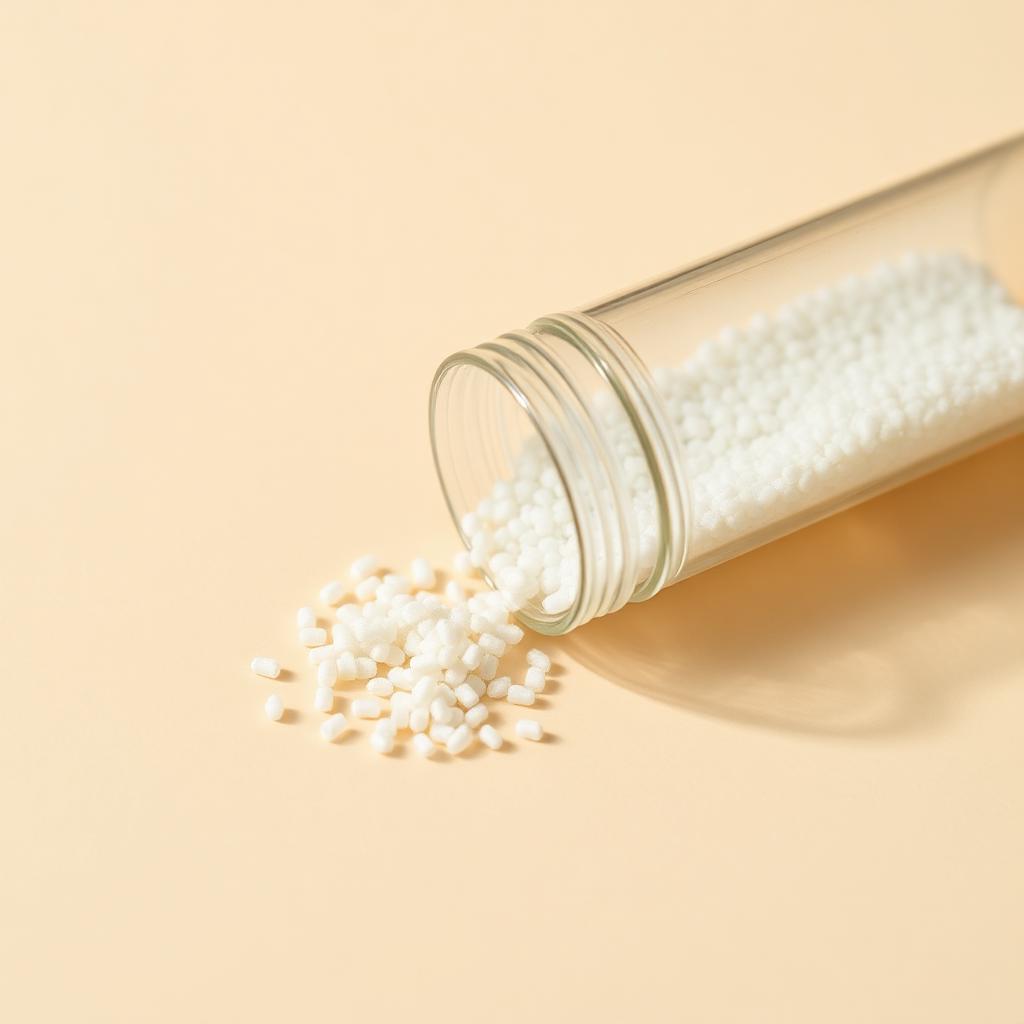
Sodium Benzoate
A food-grade preservative (also used in soft drinks) that keeps the water-rich formula free of microbes without irritating the scalp.
- Origin
- Naturally occurring benzoic acid salt
- Process
- Cold-blended into base
- Dose
- Every wash
- Family
- Aromatic carboxylic acid salts
- Part used
- Sodium salt of benzoic acid
- — Sodium benzoate
About
Paraben-free, formaldehyde-free preservation used at the minimum level required to maintain a safe shelf life.
What it does
- Prevents microbial growth
- Maintains formula integrity
- Safe for daily use
History & heritage
Benzoic acid was first isolated from gum benzoin (a tree resin from Southeast Asia) in the 16th century by the alchemist Nostradamus. Its sodium salt became the first preservative approved by the U.S. FDA — and remains one of the most widely used food and cosmetic preservatives worldwide, present in everything from soft drinks and salad dressings to premium haircare.
Traditional uses through history
- 01Traditional preservation of resins and balms
- 02First FDA-approved food preservative
- 03Modern paraben-free cosmetic preservation
Effective against yeasts, moulds and many bacteria at low concentrations (0.05–0.5%). Works best in slightly acidic formulas, where a small fraction converts to active benzoic acid that penetrates microbial cells and disrupts their metabolism. Extensively evaluated by CIR, SCCS and IFRA as safe at cosmetic use levels.
How it actually works
Disrupts microbial metabolism
Undissociated benzoic acid enters bacterial and fungal cells and interferes with their energy-producing enzymes.
Keeps the formula sterile
Prevents mould and yeast contamination throughout the product's shelf life, without harsh preservatives.
Broad-spectrum coverage
Effective against the most common cosmetic spoilage organisms while remaining gentle on the scalp.
Best for
Safe at cosmetic use levels. Naturally occurs in cranberries, prunes, plums and cinnamon.