Amino-Acid Surfactant
Sodium Cocoyl Alaninate
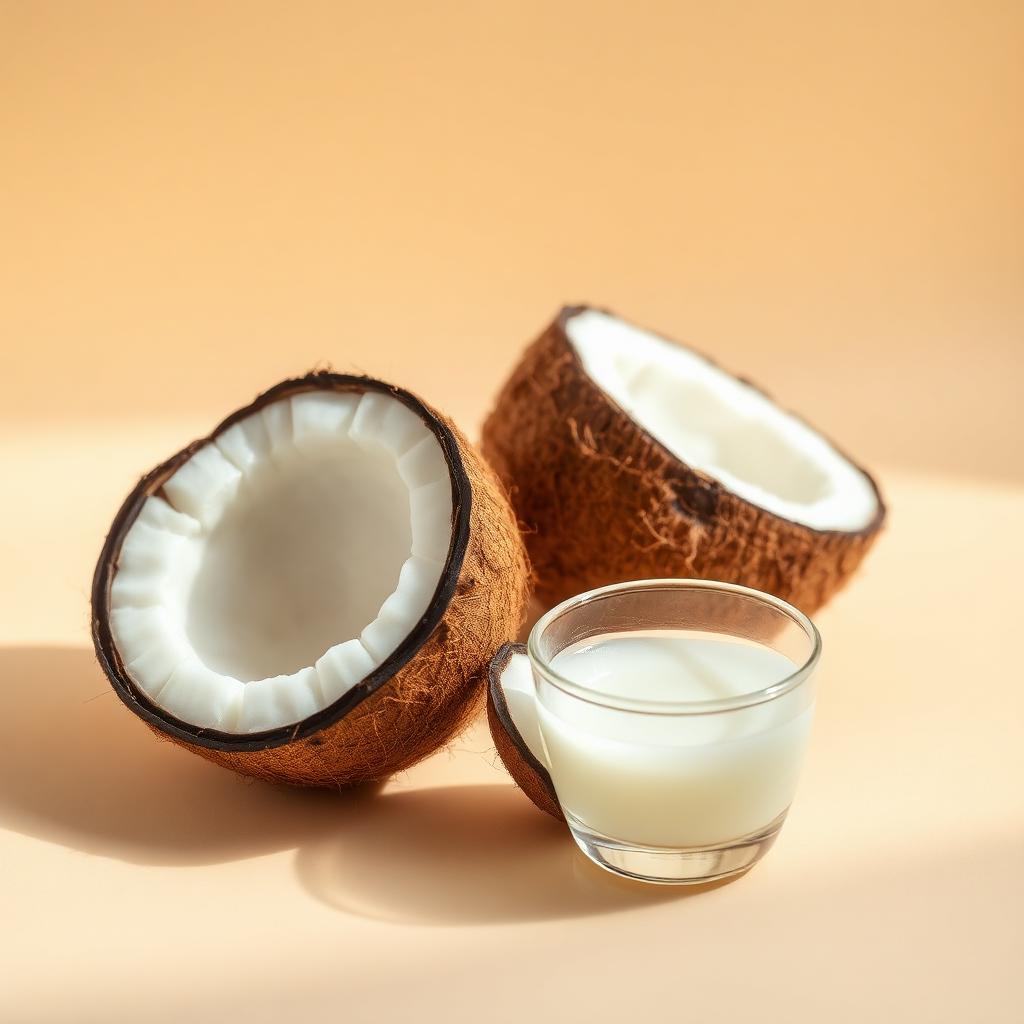
A biodegradable surfactant built from coconut fatty acids and the amino acid alanine — creates a soft, creamy lather at skin-friendly pH.
- Origin
- Coconut kernel + fermented alanine
- Process
- Amino-acid acylation
- Dose
- Every wash
- Family
- Amino-acid surfactants
- Part used
- Coconut fatty acids + fermented L-alanine
- — Sodium salt of N-cocoyl-L-alanine
About
Considered one of the mildest surfactants in modern cosmetic chemistry. Cleans efficiently without disturbing the scalp barrier or fading colour.
What it does
- Generates soft, low-irritation foam
- Preserves the scalp lipid barrier
- Rinses cleanly with no residue
History & heritage
Developed in Japan by Ajinomoto in the 1970s as part of the 'Amisoft' family of amino-acid surfactants, Sodium Cocoyl Alaninate quickly became the gold standard for baby shampoos and sensitive-skin cleansers throughout Asia. It reached premium Western haircare in the early 2000s as consumers demanded sulfate-free formulas that still delivered a rich, satisfying lather.
Traditional uses through history
- 01Japanese baby-shampoo standard
- 02Sensitive-skin dermatology cleansers
- 03Modern premium sulfate-free haircare
Rated by dermatologists as one of the mildest surfactants on the market — significantly less irritating than SLS or SLES on standard patch tests. Its unique amino-acid structure means it functions at the natural pH of skin (around 5.5), preserving the acid mantle that protects against pathogens and moisture loss.
How it actually works
Foams at skin-pH
Unlike sulfates that push the scalp to an alkaline pH, alaninate cleans at the scalp's own slightly acidic pH — preserving the barrier.
Low irritation
Alanine-based head group produces small, biocompatible micelles that lift dirt without penetrating and disrupting cell membranes.
Fully biodegradable
Breaks down cleanly in wastewater — one of the most environmentally responsible surfactants available.
Best for
Excellent — approved for baby-shampoo formulations. No known contraindications.
- — Sodium Cocoyl Hydrolyzed-Pea Protein