Micro-circulation
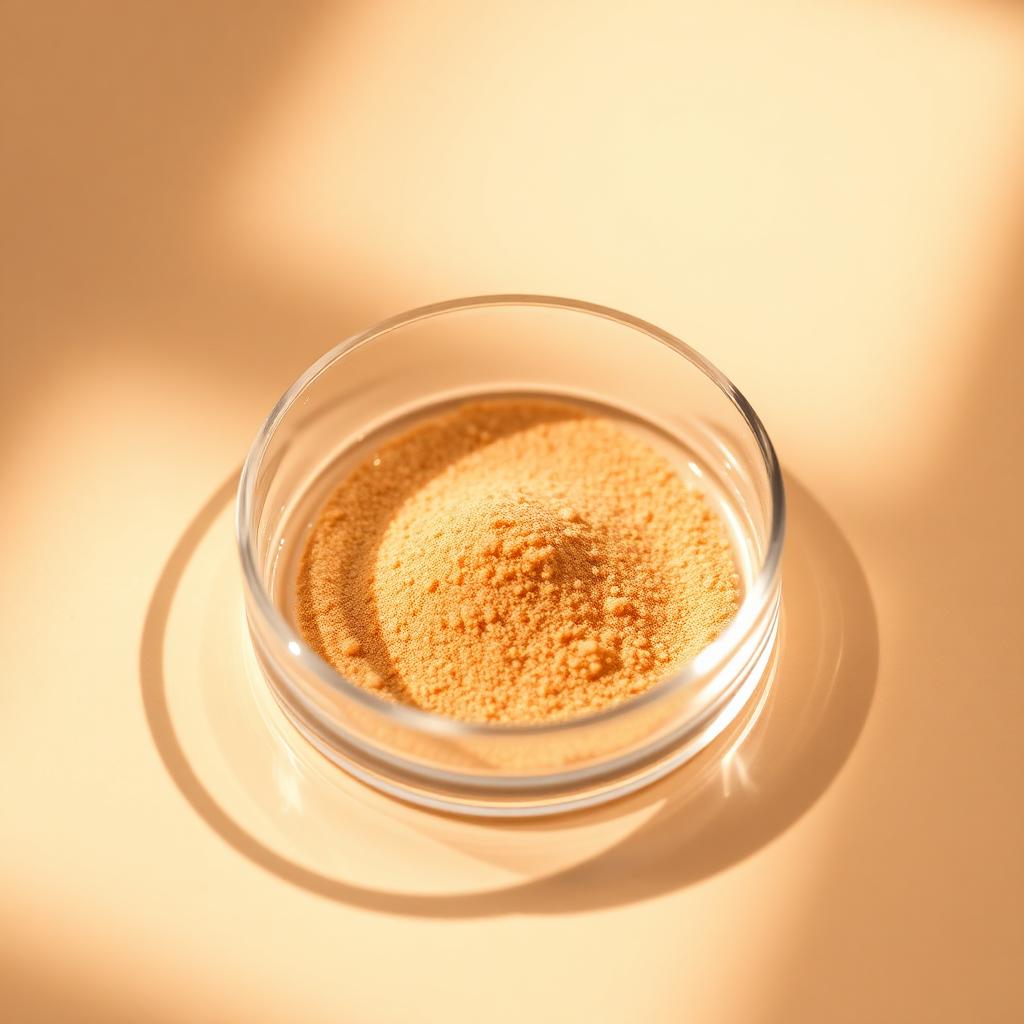
White Ginseng (Radix Alba)
The sun-dried root of Panax ginseng, traditionally used to support scalp blood flow and follicle vitality. Concentration: 2% extract.

- Latin
- Panax ginseng
- Origin
- Panax ginseng roots
- Process
- Sun-dried, then water-based botanical extraction
- Dose
- Concentration: 2% extract
- Family
- Araliaceae
- Part used
- Peeled and sun-dried root (Radix Alba)
- — Ginsenosides (Rg1, Rb1, Rh1)
- — Polysaccharides
- — Phenolic acids
About
The sun-dried root of Panax ginseng, valued in traditional medicine for its ginsenoside content and used to support scalp micro-circulation.
What it does
- Traditionally used to support scalp micro-circulation
- Helps deliver nutrients to the follicle bulb
- Supports the appearance of thicker, healthier hair
- Contributes to overall follicle vitality
How it works
Ginsenosides are traditionally used to support vascular function, helping blood reach the deep papilla.
Improved circulation means more oxygen and amino acids reach the follicle matrix.
A well-nourished follicle is more likely to remain in the active growth phase.
Panaxans support cellular energy metabolism inside the follicle bulb.
Ginseng has been studied for its potential to support hair growth and scalp circulation.
History & heritage
Panax ginseng has been the most revered herb in East Asian medicine for over 2,000 years. The name Panax comes from the Greek panakes — 'all-healing'. Traditional Korean and Chinese medicine distinguishes red ginseng (steamed) from white ginseng (peeled and air-dried), with white ginseng considered gentler and better suited to daily use and topical applications. Historical texts from the Han Dynasty and the Donguibogam (1613 AD) describe scalp preparations of ginseng root to darken hair, prevent premature greying and stimulate regrowth.
Traditional uses through history
- 01Daily tonic for chi (life energy) in Traditional Chinese Medicine
- 02Korean royal court hair oil to prevent greying
- 03Scalp massage for post-illness recovery of hair
- 04Winter tonic to restore vitality
Modern research has isolated more than 30 ginsenosides — the triterpene saponins responsible for ginseng's activity. Ginsenoside Rg1 in particular has been shown to activate the Wnt/β-catenin pathway inside dermal papilla cells, one of the master switches that keeps follicles in the growing phase. Ginseng also improves microcirculation and modulates the stress-hormone response at the follicle, both of which help protect against stress-induced shedding.
How it actually works
Activates Wnt/β-catenin
Ginsenoside Rg1 signals the dermal papilla to stay in anagen (growth), delaying the shift into rest and shed phases.
Improves scalp microcirculation
Ginseng dilates the fine capillaries around the follicle, delivering more oxygen and nutrients to the bulb.
Buffers stress hormones
As a true adaptogen, ginseng dampens the cortisol spikes linked to telogen effluvium (stress shedding).
Best for
Excellent topical safety profile. Very high-dose oral use may interact with blood-thinners and diabetes medication — topical application avoids this.
- — Saw Palmetto
- — Cantaloupe
- — Horsetail Extract